
Understanding Construction Costs: How to Budget for Your Dream Home
Building a dream home is an exciting yet challenging endeavor, especially when it comes to managing construction costs. With fluctuating material prices, labor charges, and other unforeseen expenses, budgeting effectively is crucial to avoid financial strain. In this guide, we will break down the key aspects of construction costs and offer practical tips to help you budget efficiently while constructing your home in India.
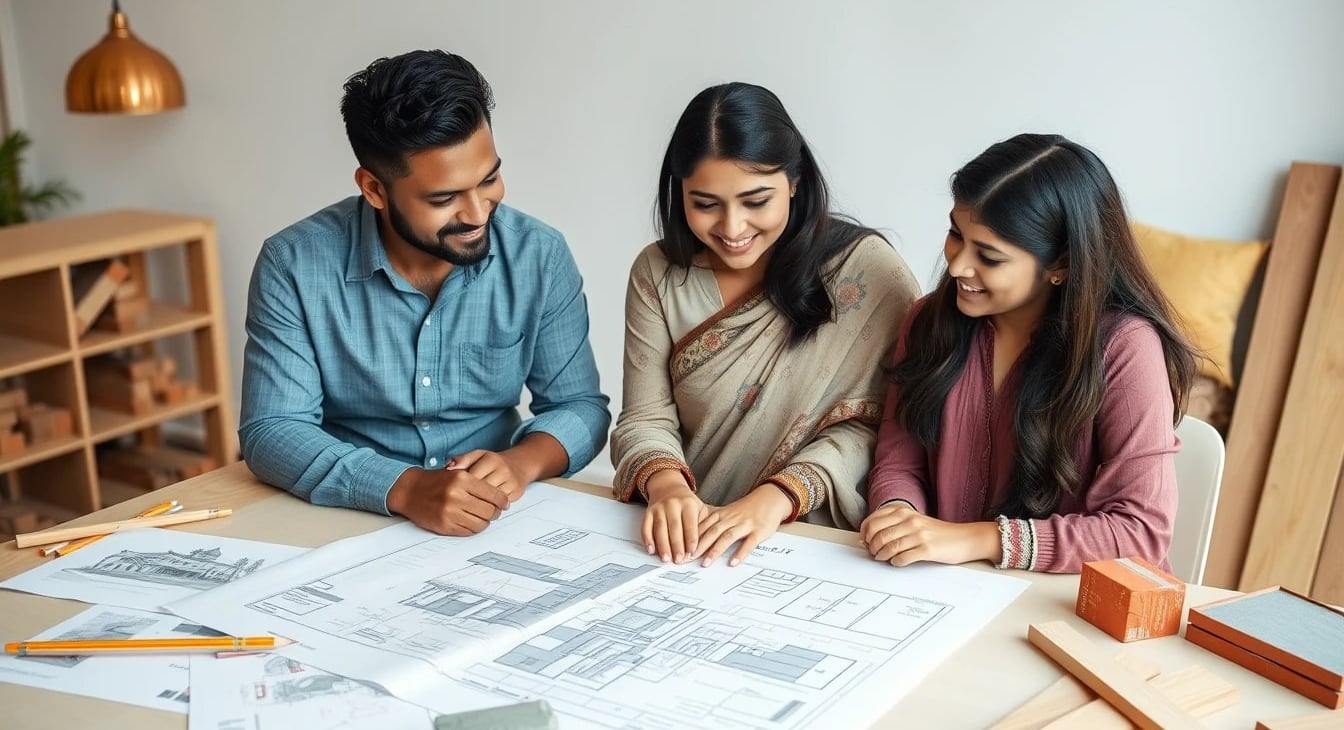
Building a dream home is an exciting yet challenging endeavor, especially when it comes to managing construction costs. With fluctuating material prices, labor charges, and other unforeseen expenses, budgeting effectively is crucial to avoid financial strain. In this guide, we will break down the key aspects of construction costs and offer practical tips to help you budget efficiently while constructing your home in India.
1. Understanding the Major Cost Components
Before you start building, it is essential to understand the various cost components involved in home construction. These typically include:
a. Land Cost
If you haven't already purchased a plot, this will be one of your biggest expenses. Land prices vary significantly depending on location, proximity to amenities, and infrastructure development.
b. Approval and Legal Charges
Obtaining necessary approvals from local municipal authorities, securing building permits, and paying legal fees can add up to your overall budget.
c. Construction Material Costs
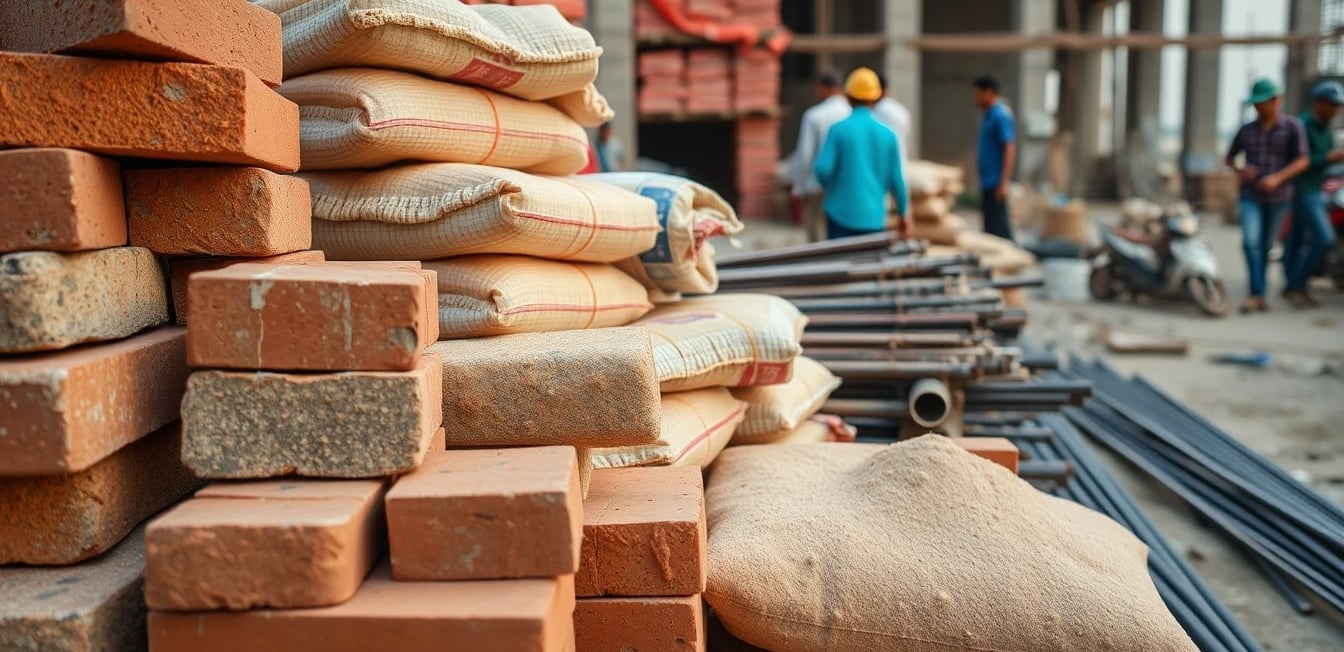
Building materials like cement, sand, bricks, steel, and wood form the backbone of any construction project. Prices fluctuate due to market conditions, so it is advisable to purchase materials in bulk or during off-season periods for cost efficiency.
d. Labor Costs
Labor charges depend on the type of workers (skilled or unskilled), location, and construction complexity. Hiring reliable and experienced labor is crucial to maintaining quality and avoiding rework costs.
e. Contractor Fees
If you are hiring a contractor, their charges will be a percentage of the total project cost. Opting for a labor contract versus a turnkey contract can impact your overall expenses.
f. Architectural and Engineering Fees
Professional architects and engineers charge fees for designing, structural analysis, and project supervision. This cost is essential to ensure a well-planned and safe home.
g. Interior and Finishing Costs
The cost of interior design, painting, flooring, plumbing, and electrical fittings can vary greatly based on the quality of materials and design preferences.
h. Miscellaneous and Contingency Costs
Unexpected costs can arise due to price changes, design modifications, or unforeseen site challenges. Keeping a buffer of at least 10-15% of the total budget is advisable.
2. Tips for Budgeting Your Dream Home
a. Define Your Budget and Prioritize
Start by determining how much you can afford to spend. Prioritize essential elements such as structure, safety, and durability over luxury finishes. Prepare a detailed cost breakdown to keep track of expenses.
b. Choose the Right Location
Land prices significantly impact the overall budget. Research and select a location that offers a balance between affordability, infrastructure, and future appreciation.
c. Plan and Design Efficiently
An efficient home design can help you save costs. Work with your architect to optimize space utilization and reduce wastage. A simple, compact design with fewer structural complexities can lower construction expenses.
d. Compare Material Prices and Buy in Bulk
Material prices fluctuate based on market trends. Research multiple suppliers, negotiate prices, and consider bulk purchasing to avail discounts. Opt for locally sourced materials to reduce transportation costs.
e. Hire Reliable Contractors and Workers
Choosing experienced and skilled contractors ensures quality work, preventing costly rework. Always check references and past projects before hiring.
f. Opt for a Labor Contract Instead of a Turnkey Contract
A turnkey contract, where the contractor manages everything, is more expensive than a labor contract where you source materials separately. If you have the time and expertise, a labor contract can help you save money.
g. Use Cost-Effective Construction Techniques
Precast concrete slabs and blocks reduce labor time and material costs.
Fly ash bricks are more affordable than traditional red bricks.
Curing compound minimizes water usage in construction.
Solar panels and energy-efficient designs reduce long-term electricity bills.
h. Monitor Expenses and Avoid Design Changes
Frequent design modifications can inflate costs. Stick to the original plan as much as possible. Maintain a record of all expenses and review them regularly to avoid overspending.
i. Take Advantage of Government Schemes
India offers various housing schemes and subsidies for home construction, such as:
PMAY (Pradhan Mantri Awas Yojana) for affordable housing.
Interest subsidies on home loans under government initiatives.
Tax benefits on home loans under Section 80C and 24(b) of the Income Tax Act.
j. Plan for Future Maintenance Costs
While budgeting for construction, also consider long-term maintenance expenses. Opting for durable and low-maintenance materials can reduce future repair costs.
3. Cost-Saving Strategies for Indian Homeowners
a. DIY Where Possible
If feasible, consider handling certain tasks like painting, landscaping, or basic interior décor yourself to save labor costs.
b. Avoid Unnecessary Luxury Features
High-end fixtures, premium tiles, and elaborate designs may look attractive but can stretch your budget. Opt for cost-effective alternatives without compromising quality.
c. Use Alternative Building Materials
Explore sustainable options like bamboo, compressed stabilized earth blocks, and lightweight concrete to reduce costs and enhance eco-friendliness.
d. Invest in Energy Efficiency
Energy-efficient designs, LED lighting, and rainwater harvesting systems may have an initial cost but provide long-term savings on electricity and water bills.
4. Common Budgeting Mistakes to Avoid
a. Underestimating Costs
Not accounting for unexpected expenses can cause financial strain. Always set aside a contingency fund.
b. Rushing the Construction Process
Fast-tracking construction often leads to poor quality and costly rework. Plan each phase carefully to ensure smooth execution.
c. Not Getting Multiple Quotes
Hiring the first contractor or supplier you find may not be cost-effective. Compare multiple quotes before finalizing any deal.
d. Overlooking Hidden Charges
Factor in additional expenses like GST, transportation costs, site security, and temporary labor accommodation to avoid last-minute surprises.
e. Ignoring Legal and Approval Costs
Skipping essential approvals can lead to penalties and legal troubles, increasing overall costs.
Conclusion
Budgeting for home construction in India requires careful planning, cost comparisons, and strategic decision-making. By understanding the various cost components and implementing effective budgeting strategies, you can successfully build your dream home without financial stress. Prioritize essential expenses, research material prices, hire reliable professionals, and plan for contingencies to ensure a smooth construction process. With the right approach, you can achieve your dream home while staying within budget.
By following these practical tips, you can manage construction costs efficiently and turn your vision into reality without unnecessary financial burden.

GM BuildTech
Building Your Dreams, Brick by Brick! Transform your vision into reality with our expert civil construction services. Our commitment to quality and attention to detail will make all the difference in your new home
.
+91 9686567433
gmbuildtech@gmail..com
© 2025. All rights reserved.