
Open Floor Plans and Flexible Spaces: Adapting to Modern Indian Lifestyles
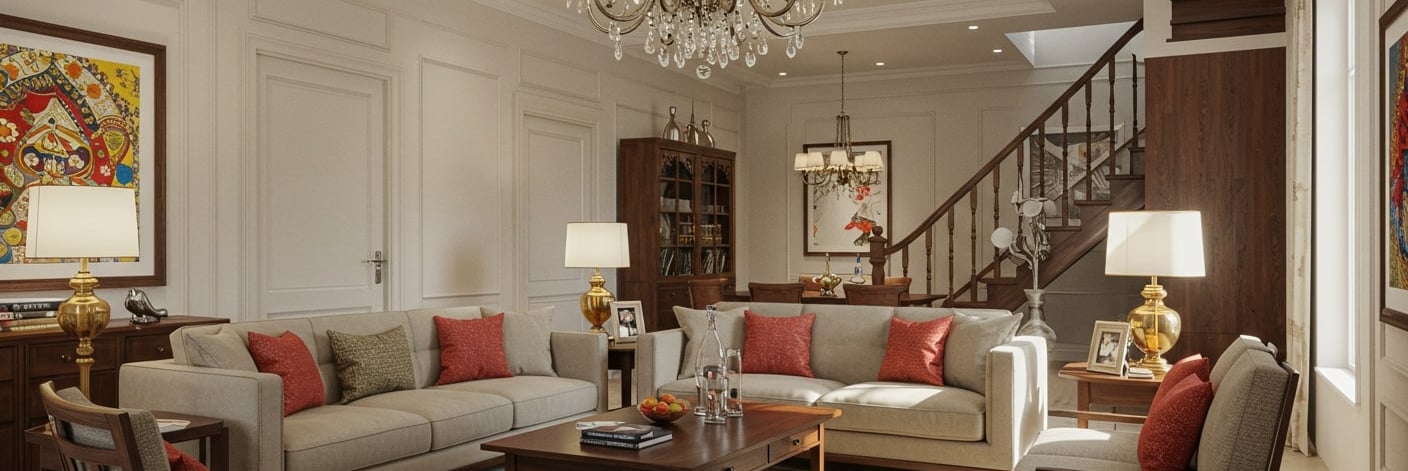
The way we design our homes is evolving rapidly, influenced by changing lifestyles, urbanization, and the need for multifunctional spaces. One of the most significant trends in modern Indian home design is the shift towards open floor plans and flexible spaces. Open layouts offer a sense of spaciousness, better natural light, and seamless integration of different functional areas, making them ideal for contemporary Indian households. This blog explores the popularity of open floor plans, their benefits, and how they can be customized to suit different needs.
Introduction
The way we design our homes is evolving rapidly, influenced by changing lifestyles, urbanization, and the need for multifunctional spaces. One of the most significant trends in modern Indian home design is the shift towards open floor plans and flexible spaces. Open layouts offer a sense of spaciousness, better natural light, and seamless integration of different functional areas, making them ideal for contemporary Indian households. This blog explores the popularity of open floor plans, their benefits, and how they can be customized to suit different needs.
The Rise of Open Floor Plans in India
Traditionally, Indian homes were designed with compartmentalized spaces, each room serving a distinct function. However, with increasing urbanization and shrinking living spaces, homeowners are embracing open layouts. The trend has gained popularity due to several factors:
Urbanization and Smaller Homes
With rising real estate prices, apartments have become smaller, making open floor plans an efficient way to maximize space.
Changing Lifestyles
Modern families prefer a more interactive and social living environment, where family members can engage with each other even while performing different tasks.
Work-From-Home Culture
The rise of remote work has created a demand for multifunctional spaces that can be easily adapted for work, leisure, and socializing.
Aesthetic Appeal
Open layouts create a contemporary and stylish ambiance, making homes feel more airy and spacious.
Better Ventilation and Natural Light Fewer walls mean improved air circulation and access to natural sunlight, which is essential for a healthy indoor environment.
Benefits of Open Floor Plans
1. Enhanced Space Utilization
An open layout removes unnecessary walls, ensuring that every square foot is utilized efficiently. This is especially beneficial in compact apartments, where a more open design can make the home feel larger.
2. Improved Social Interaction
Indian families value togetherness, and open floor plans facilitate better communication among family members. Whether it’s a parent cooking in the kitchen while chatting with children in the living area or guests mingling freely during a gathering, open layouts encourage interaction.
3. Increased Natural Light and Ventilation
With fewer barriers, sunlight can penetrate deeper into the home, reducing the need for artificial lighting during the day. Improved airflow also makes the home feel more comfortable, reducing dependence on air conditioning.
4. Multi-Purpose Functionality
One of the biggest advantages of an open layout is its adaptability. Spaces can serve multiple functions, such as a dining area doubling as a home office or a living room accommodating a workout space.
5. Modern and Elegant Aesthetic
Open floor plans create a sleek, contemporary look that aligns with modern design sensibilities. They offer more opportunities for creative interior design, allowing homeowners to experiment with furniture placement and decor.
Customizing Open Floor Plans for Indian Homes
While open layouts offer many advantages, they also require careful planning to ensure functionality and privacy. Here are some ways to customize open spaces to suit Indian lifestyles:
1. Zoning with Furniture and Decor
Since open layouts eliminate walls, it is essential to define different functional areas. This can be done using:
Rugs and carpets to delineate living and dining areas
Sofas and bookshelves as subtle dividers
Lighting variations to create distinct zones for different activities
2. Sliding or Folding Partitions
For those who occasionally need privacy, sliding doors or folding screens can be installed. These provide the flexibility to create enclosed spaces when required while maintaining an open feel.
3. Multi-Functional Furniture
To make the most of an open space, invest in furniture that serves multiple purposes, such as:
Foldable dining tables
Sofa beds for guests
Storage ottomans that double as seating
4. Kitchen Considerations
The kitchen is an integral part of an open floor plan, but Indian cooking often involves strong aromas and splatters. To manage this:
Use glass partitions to create a semi-open kitchen
Install a powerful chimney and ventilation system
Opt for easy-to-clean surfaces for countertops and floors
5. Incorporating Traditional Elements
While open floor plans reflect modern living, many Indian families still value certain traditional aspects. These can be seamlessly integrated by:
Creating a puja corner in a designated niche
Using jalis (perforated screens) to maintain an open yet private space
Incorporating Indian-style seating arrangements like diwans or floor cushions
6. Smart Storage Solutions
An open layout often means fewer walls and built-in storage spaces. To maintain a clutter-free home:
Utilize under-bed storage and built-in wardrobes
Install overhead cabinets in the kitchen
Use floating shelves for books and decor
7. Balancing Acoustics
Without walls, sound tends to travel more freely, which can be an issue in bustling Indian households. To manage noise levels:
Use heavy curtains or blinds to absorb sound
Incorporate soft furnishings like cushions and rugs
Place sound-absorbing panels on walls or ceilings
Open Floor Plans in Different Home Setups
a. Apartments and Compact Homes
In urban settings where space is limited, open layouts can make a small apartment feel more expansive. A combined living, dining, and kitchen area ensures a smooth flow of movement, making the home feel less congested.
b. Independent Houses and Villas
In larger homes, open floor plans can be adapted to create grand, airy interiors. Features like high ceilings, large windows, and courtyards enhance the sense of openness while maintaining distinct functional areas.
c. Joint Family Homes
For joint families, privacy is a key concern. A hybrid approach works best, combining open living and dining areas with private bedrooms and study spaces. Courtyards or semi-open verandas can provide a balance between communal and personal spaces.
d. Work-From-Home Setups
With the rise of remote work, open layouts need to accommodate dedicated workspaces. Smart solutions include:
A compact home office in a corner
Foldable work desks that can be tucked away
Acoustic panels to minimize distractions
Conclusion
Open floor plans and flexible spaces are redefining modern Indian homes, offering a perfect blend of functionality, aesthetics, and adaptability. Whether you live in a compact apartment or a spacious villa, these layouts can be customized to meet your specific needs while enhancing the overall living experience. By incorporating smart design elements such as furniture zoning, partitions, and multi-purpose areas, homeowners can enjoy the benefits of openness without compromising on privacy or practicality. As Indian lifestyles continue to evolve, open layouts will remain a preferred choice, reflecting the dynamic and versatile nature of contemporary living.

GM BuildTech
Building Your Dreams, Brick by Brick! Transform your vision into reality with our expert civil construction services. Our commitment to quality and attention to detail will make all the difference in your new home
.
+91 9686567433
gmbuildtech@gmail..com
© 2025. All rights reserved.